Professional astro-cameras from FLI, SBIG and ZWO: precision to meet the highest scientific standards
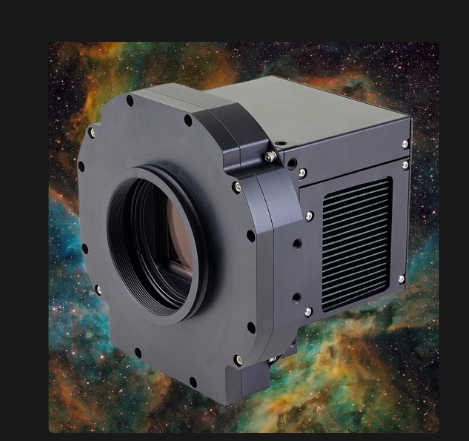
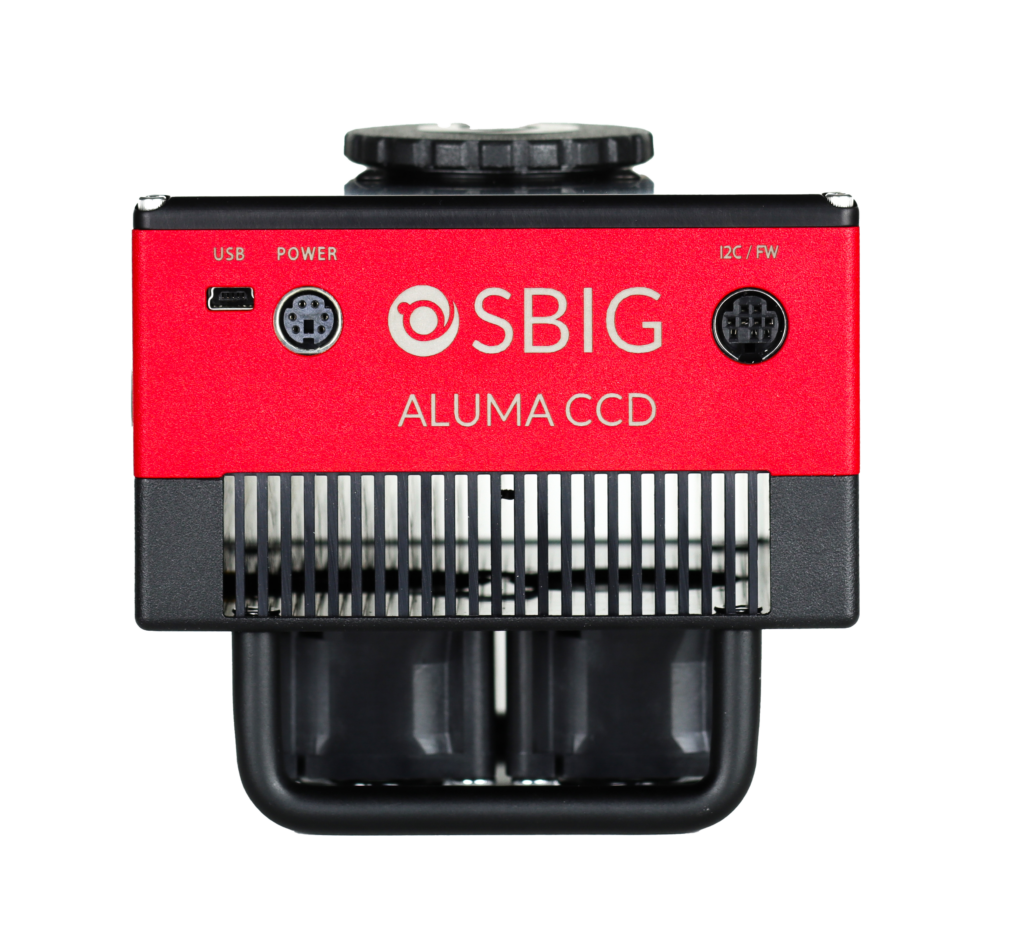
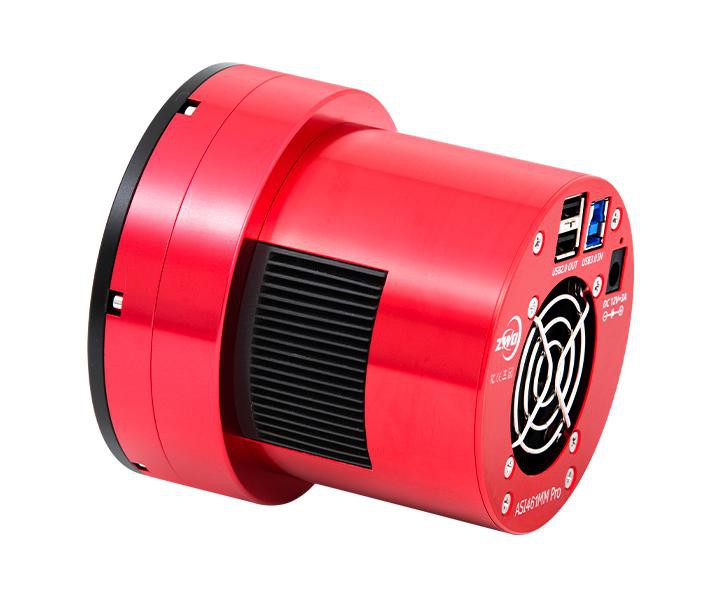
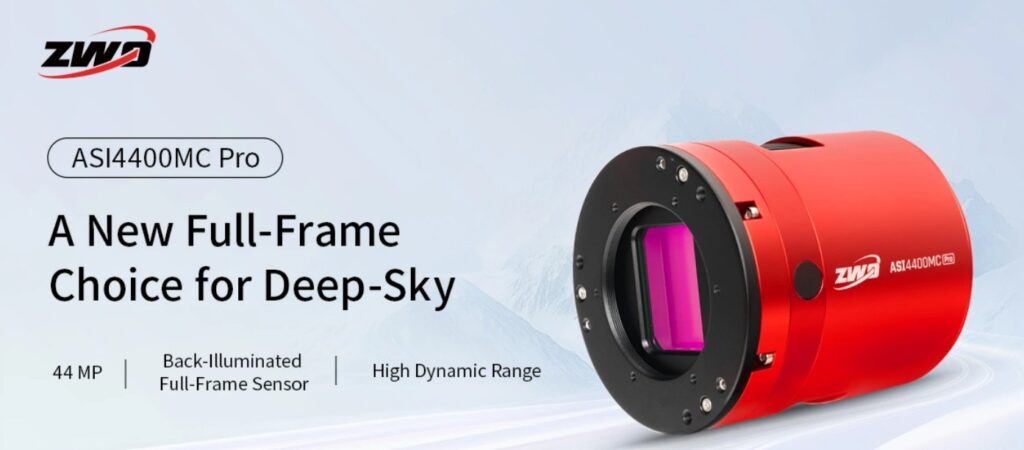
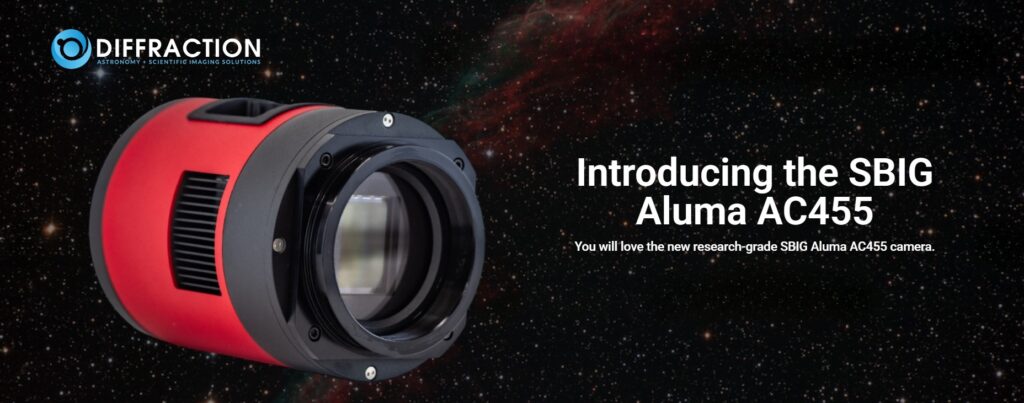
Astrophotography in a professional setting places extreme demands on precision, stability and sensor sensitivity. Two manufacturers have particularly established themselves in this field: FLI, SBIG and ZWO. All brands offer cameras designed for scientific applications, observatories and demanding research projects – yet they have different areas of focus.
FLI: Leaders in Scientific Imaging Technology
FLI (Finger Lakes Instumentation) is a recognized leader in the design and manufacture of cooled CMOS and CCD cameras for applications such as astronomy, life sciences, forensics, electron microscopy, and Space Domain Awareness.
Proudly engineered, built, and serviced in New York, our products showcase the expertise of a skilled team of mechanical, electrical, and software engineers. Trusted by customers in over 50 countries, FLI delivers high-performance imaging solutions tailored to diverse needs.
We warmly invite you to visit our new facility in Rochester, NY, USA, to explore our capabilities firsthand.
SBIG – A tradition of CCD technology and scientific precision
SBIG (Santa Barbara Instrument Group) has been one of the leading manufacturers of scientific CCD cameras for decades. Their systems are renowned for:
- High-precision CCD sensors with excellent linearity
- Integrated dual-chip guiding technology, ideal for long-exposure photography
- Robust, observatory-grade housings
- Precise temperature control for extremely low dark current
SBIG cameras are frequently used in university observatories, for photometry projects and in professional sky monitoring. Their strengths lie in scientific data quality, long-term stability and high measurement accuracy.
ZWO – Modern CMOS technology for maximum efficiency
In recent years, ZWO has established itself as an innovation leader in the field of modern CMOS astro-cameras. The cameras offer:
- Highly sensitive Sony CMOS sensors with extremely low readout noise
- Precise temperature control for extremely low dark current
- Large sensor formats for deep-sky astrophotography
- Efficient cooling for low-noise long-exposure shots
- Excellent software integration (ASIStudio, ASCOM, INDI)
For professional applications such as spectroscopy, high-resolution planetary photography or deep-sky surveying, ZWO cameras offer an impressive combination of sensitivity, speed and value for money.
Conclusion: Two paths to professional astrophotography
SBIG and ZWO cater to different requirements in the professional sector:
SBIG: scientific CCD precision, perfect linearity, robust observatory-grade technology
ZWO: modern CMOS performance, high efficiency, large sensors and versatile applications
For research institutions, observatories and discerning astrophotographers, both manufacturers offer tools that reliably deliver data of the highest standard – whether for photometric measurements, spectroscopy or deep-sky surveys.